In an automotive era obsessed with rapid electrification and compressed vehicle lifecycles, the Volvo XC40 is proving to be a masterclass in longevity. Originally entering production in 2017 and receiving its first mid-cycle refresh in 2022, the premium subcompact crossover was widely expected to step aside for an all-electric successor.
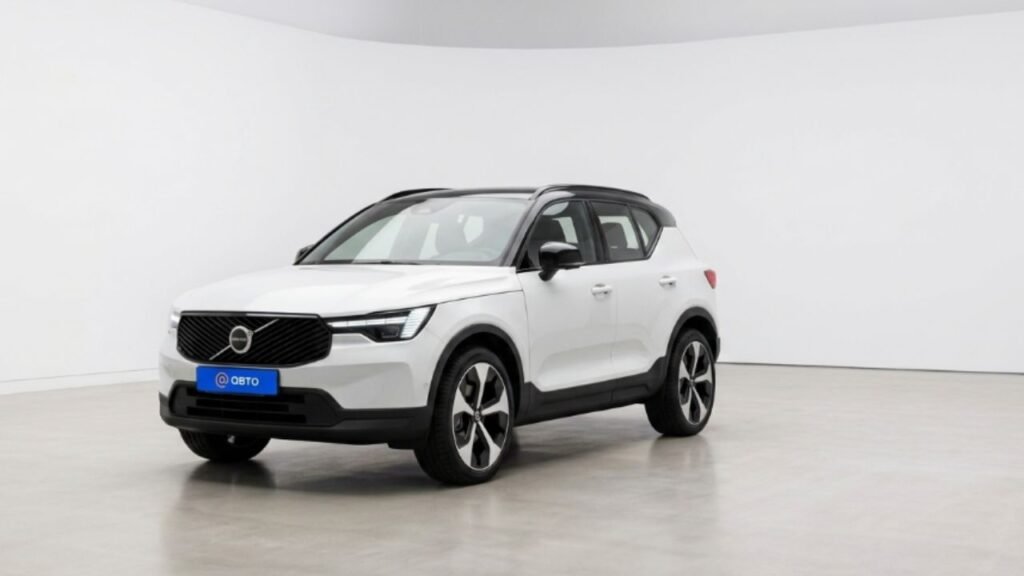
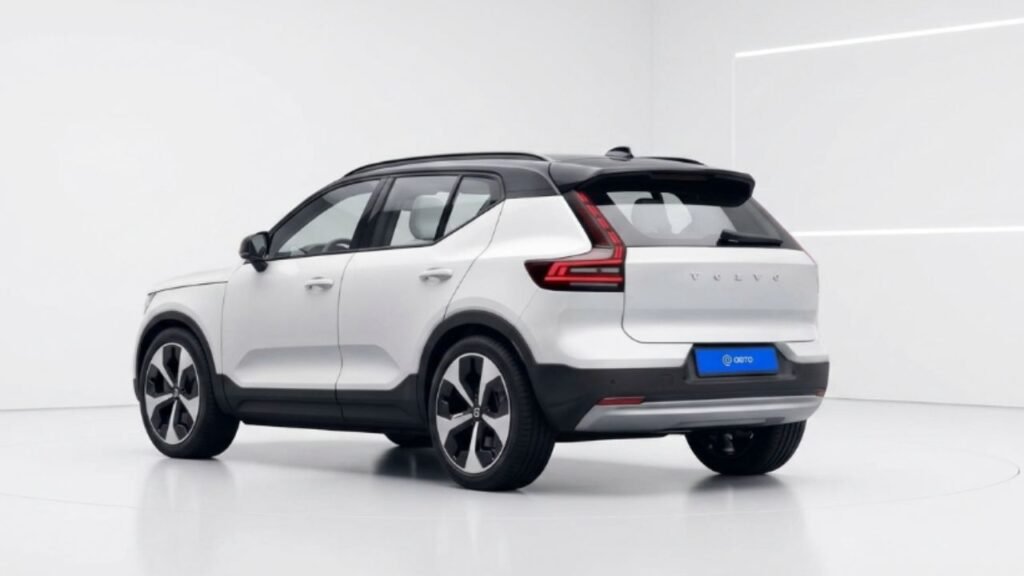
Instead, recent spy shots of heavily camouflaged prototypes testing in Europe have confirmed that Volvo is preparing a second major facelift for the 2027 model year. To peel back the layers of vinyl and tape, prominent digital automotive artists (including Kolesa and Kelsonik) have released highly realistic digital renderings.
These speculative CGIs give us our best look yet at how Gothenburg plans to harmonize its classic combustion-era bestseller with its ultra-minimalist, next-generation EV design language.
Exterior Design
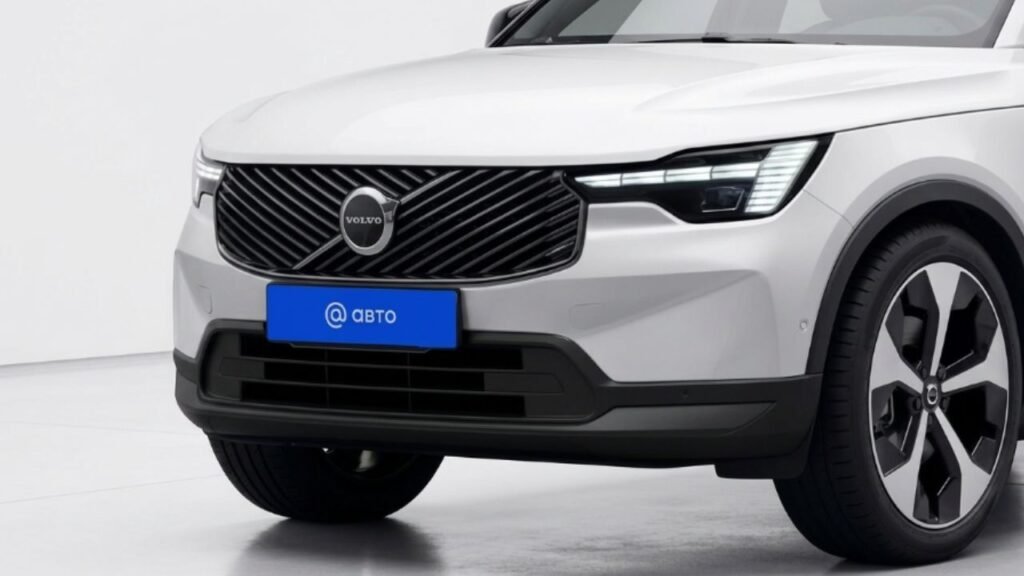
A Sharper, More Integrated Exterior The digital renderings reveal a calculated evolution rather than a clean-sheet redesign. Volvo is maximizing visual impact by focusing heavily on the front and rear fascias while leaving the hard points of the vehicle’s profile intact.
- Evolved “Thor’s Hammer” LEDs: The signature headlights are noticeably slimmer and stretch further toward the center of the car. The Daytime Running Light (DRL) graphics appear thicker and sharper, directly mirroring the lighting signatures found on newer models like the EX30 and EX90.
- A Clean Front Fascia: The traditional front grille is slightly wider and taller, but the bumper beneath it has been thoroughly cleaned up. The rendering artists have deleted the blocky side air intakes from the current generation, opting for a smooth, aerodynamic chin with integrated lower cladding.
- Refined Rear Tailgate: Out back, the iconic vertical L-shaped taillights retain their structural footprint but feature entirely new internal LED graphics. The tailgate itself drops the deep recess for the Volvo lettering, creating a flatter, more premium surface, while the rear bumper gains slimmer, repositioned reflectors.
Interior Design Update
While the exterior updates are sophisticated, the interior changes teased by spy shots and translated into digital cabin renders represent a massive operational shift.
The aging 9-inch portrait screen and its bulky vertical air vents are finally being retired. In its place, the 2027 XC40 is slated to adopt a floating, tablet-style portrait infotainment display heavily inspired by the EX30. This system will run an upgraded, Google-built architecture powered by newer, faster processors.
While this promises a significantly more modern aesthetic, it also hints at a more centralized cabin control scheme, moving physical climate and media switchgear directly into the screen interface—a move that will undoubtedly spark debate among brand purists who prefer analog buttons.
Powertrain & Performance
Unlike the dedicated SPA3 electric architecture slated for Volvo’s future lineup, the 2027 XC40 facelift will remain on the highly versatile Compact Modular Architecture (CMA). This allows Volvo to hedge its bets as global EV adoption rates fluctuate.
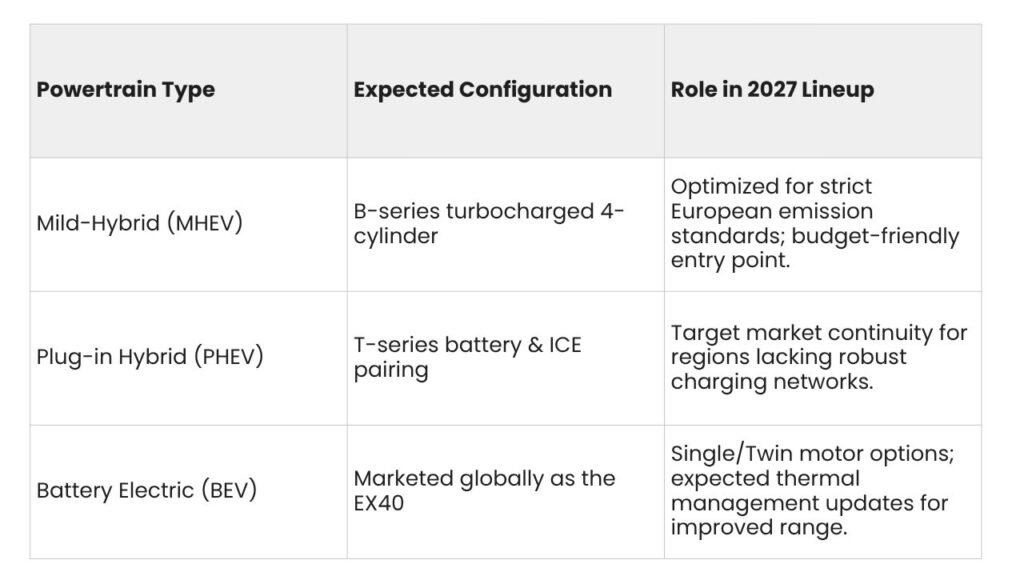
Why a second facelift makes sense: By extending the life of the CMA platform through 2027 and beyond, Volvo avoids the massive capital expenditure of a full ICE redesign while keeping its cash-cow crossover visually fresh next to the BMW X1, Audi Q3, and Mercedes-Benz GLA.
Expected Launch Window
The refreshed 2027 Volvo XC40 is anticipated to make its official global debut in late 2026 or early 2027, marking the exact decade milestone of the original nameplate. European markets are expected to see deliveries first, with global rollouts to follow shortly after. If the realistic digital renderings are anything to go by, Volvo’s smallest traditional SUV is well-prepared to defend its territory for a few more years.