The VW Jetta years most prudent to avoid are 2006, 2009–2010, 2012–2013 (especially Hybrid), and 2019 due to clusters of transmission, ABS, hybrid mechatronics, electrical, and first‑year powertrain issues that drive up ownership risk and cost.
VW Jetta years to avoid
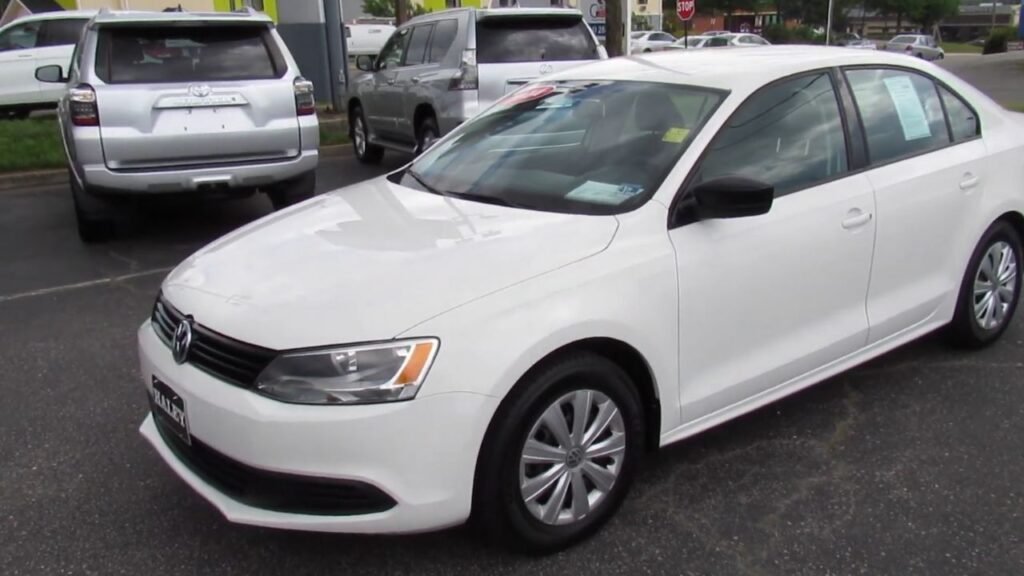
2006
- Pattern: Automatic transmission harsh shifts and neutral‑drop behavior tied to valve‑body and solenoids, especially on higher‑mileage 2.5L automatics.
- Ownership impact: Repair bills quickly stack—valve‑body replacements can be four‑figure outlays; repeated fluid services seldom solve underlying wear.
- Secondary issues: Early Mk5 electrical quirks (door latches, cluster lights), coil‑pack misfires, A/C compressor failures as mileage accrues.
2009
- Pattern: ABS control module failure during activation; a marquee safety recall year.
- Ownership impact: Even with recall completion, verify the module’s current health; wiring corrosion or improperly seated connectors can recreate intermittent ABS/ESC lights.
- Secondary issues: Aging Mk5 platform components—motor mounts, vacuum pump leaks, and MAF/Throttle body sensitivity.
2010
- Pattern: Powertrain/electrical “overlap” year—fuel delivery and stalling complaints, DSG/automatic behavior inconsistencies, and infotainment/speaker failures. – Ownership impact: Diagnostics often sprawl across fuel, ignition, and transmission controls, requiring a shop conversant in VW scan data and guided fault trees. – Secondary issues: Water pump seepage, early oxygen sensor/catalyst codes, harness chafe points. ###
2012
- Pattern: Early Mk6 trough with automatic shift hesitation/hum, BCM/door module oddities, and cost‑cut interior hardware failures at mid‑life.
- Ownership impact: Transmission behavior may not throw codes; test drives and adaptation resets only go so far if hard‑part wear exists.
- Secondary issues: Sunroof drains, backup camera intermittents, window regulators, and trim that doesn’t age gracefully in hot climates.
2013 (and 2013–2015 Hybrid in particular)
- Pattern: Gas models show drivability/fuel‑system complaints; the Hybrid’s DQ200 7‑speed dry‑clutch DSG mechatronics is the headline risk (cracks/leaks → pressure loss → no‑drive).
- Ownership impact: Hybrid mechatronics replacement is costly; many vehicles changed hands post‑recall, so documentation quality is decisive.
- Secondary issues: Auxiliary battery health critical; inverter cooling and electric A/C loads expose marginal 12V systems.
2019
- Pattern: First‑year Mk7 on MQB with an 8‑speed automatic; reports of grinding/scraping under light throttle, delayed engagements, and early torque‑converter complaints.
- Ownership impact: Even minor shudder can signal expensive fixes; firmware updates help some cars, but hardware defects mean unit replacement.
- Secondary issues: Early infotainment quirks, trim/seal squeaks, camera glitches; most are fixable, but they add churn in year one.
What about 2011?
Roomy and efficient on paper, but owner data clusters around HPFP/fuel issues (gas and TDI), stalling diagnostics, and electrical niggles.
Verdict: “Proceed with due diligence” rather than blanket avoidance—strong maintenance histories and clean scans can make 2011 workable, especially with the simpler 2.0 NA/manual drivetrains.
Engines, transmissions, and risk mapping
- 2.5L inline‑5 (2006–2014): Mechanically stout long‑term, but paired automatics in 2006—and to a lesser degree 2012—invite valve‑body drama; watch for vacuum pump and PCV leaks.
- 2.0 NA 8‑valve: Simple, slower, cheaper to own; fewer big‑ticket surprises, especially with a manual gearbox.
- 2.0T EA888 (GLI): Strong performance; pre‑Gen 3 iterations can face timing tensioner, water pump, and carbon buildup; meticulous oil change history matters.
- 1.4T EA211 (2016–2021): Efficient and generally reliable; look for water pump seep, thermostat housing cracks, and wastegate actuator rattle.
- 1.5T EA211 evo (2022+): Early‑adopter watch items typical of new calibrations; ensure latest software and cooling updates.
- DSG DQ200 (Hybrid): Avoid unless documentation proves mechatronics replacement with updated parts and the car passes extended hot‑soak and low‑speed tests.
- Aisin 8‑speed (2019+): Smooth when healthy; shudder or scrape under light load is a walk‑away sign on out‑of‑warranty cars.
Smarter buying checklist
- Verify recall completion: ABS (2009–2010), Hybrid DSG mechatronics (2013–2015), and relevant emission/fuel system campaigns.
- Scan everything: Full‑module scan, not just powertrain; look for history of intermittent U‑codes and CAN bus hiccups.
- Drive it “wrong”: Light throttle, low‑speed creeping, hot restarts, and long downhill engine‑braking—conditions that surface shudder, clutch slip, wastegate rattle, and weak mounts.
- Inspect drains and seals: Sunroof and cowl drains, trunk grommets, and taillamp seals for water ingress leading to BCM corrosion.
- Check service records: Transmission services on time, coolant system work (pump/housing), fuel‑system repairs, and any mechatronics/valve‑body documentation.
- Battery/charging test: Marginal 12V systems masquerade as “random” electrics; load‑test and verify alternator ripple.
VW Jetta years to buy
- 2016–2018: Late Mk6 maturity with fewer systemic surprises; good mix of safety tech and reliability.
- 2017: Frequently cited sweet spot for value and stability.
- 2020+: Post‑2019 teething addressed; look for coolant/wastegate updates on 1.4T and proper calibration on 1.5T (2022+).
Trims and options that reduce risk
- Simpler is safer: Naturally aspirated engines and manual transmissions reduce exposure to high‑ticket automatic/DSG failures.
- Skip panoramic sunroofs on older cars: Nice to have, but they introduce leak points and shade/track failures with age.
- Avoid neglected mod histories: Tunes, lowered suspensions, or budget coilovers mask underlying wear and complicate alignment/driveline angles.
Diesel and Hybrid special notes
- TDI (EA189/EA288): Post‑fix city cars can struggle with DPF/EGR soot loading on short trips; highway runs are essential; verify low‑ash oil use and ash load.
- Hybrid (2013–2015): Buy only with ironclad mechatronics repair proof, confirmed latest software, healthy 12V system, and a long test for creep/engage consistency after heat soak.
Not necessarily. It sits in a gray zone: acceptable with clean scans, a simple drivetrain, and strong records, but not the low‑risk pick that 2016–2018 or 2020+ represent.
Yes—select 2008 examples and well‑kept 2.0 NA/manual cars can be dependable due to mechanical simplicity and lower parts stress.
Mileage matters less than evidence of fluid services (trans/coolant), updated pumps/housings, recent battery, clean drain/BCM areas, and no shudder under extended light‑load tests.
It’s quicker and more complex. With the EA888, insist on proof of water pump/tensioner updates and short oil intervals; reward meticulous owners.