Let’s break down exactly what you’re getting with the 2028 Ford Explorer, from its game-changing history to the hard performance data we know you look for.
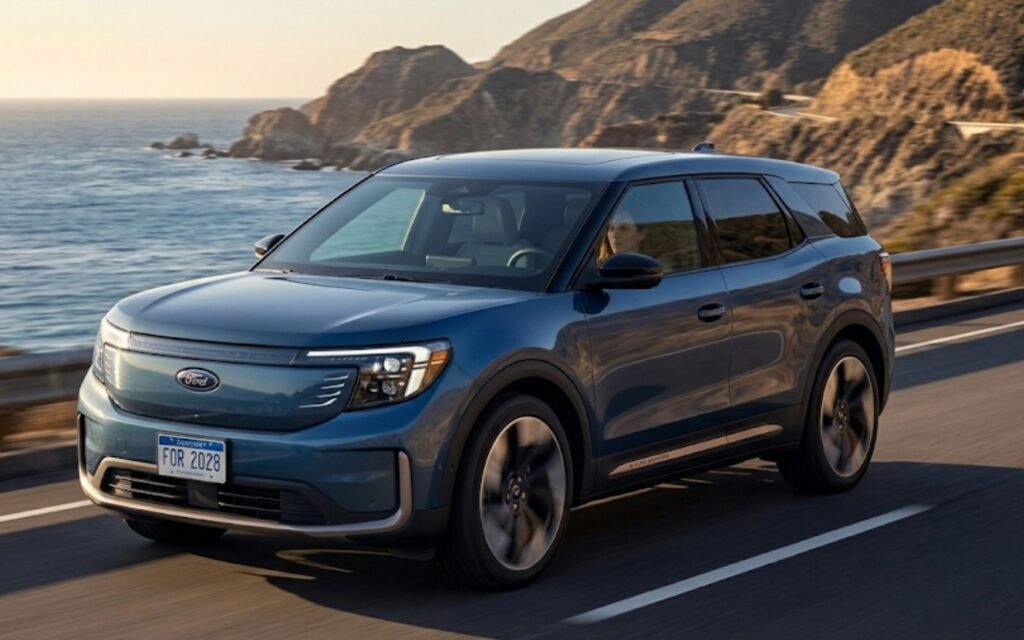
History & Legacy: The SUV That Changed America
When Ford dropped the first-generation Explorer back in 1991 to replace the rugged but cramped Bronco II, they didn’t just launch a new vehicle—they completely shifted the global automotive landscape. Before the Explorer, SUVs were utilitarian, blue-collar work trucks.
Ford took that rugged capability, packaged it with car-like comfort, four doors, and family-friendly practicality, effectively birthing the modern family SUV boom.
Through six generations, we’ve watched the Explorer undergo massive structural evolutions:
- The Truck Era (1991–2010): The first four generations utilized traditional body-on-frame truck construction. They were durable, could tow a house, but rode like a truck.
- The Unibody Shift (2011–2019): The fifth generation pivoted to a front-wheel-drive-based unibody car platform. It prioritized fuel economy and safety ratings but lost its mechanical soul.
- The Enthusiast’s Return (2020–Present): With the arrival of the sixth generation on the CD6 platform, Ford made a bold choice that won our team over: they switched back to a premium, rear-wheel-drive architecture. This balances a longitudinal engine layout with genuine cornering dynamics—a trait that defines its behavior today.
Powertrains, Specs, and Real-World Performance
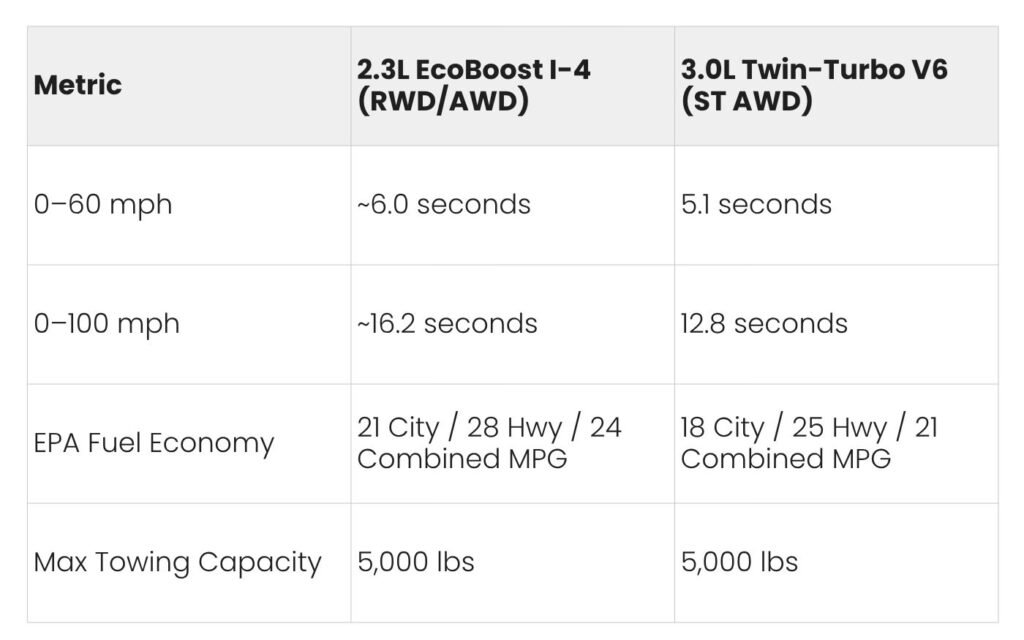
Under the hood, Ford relies on two highly refined EcoBoost engine choices paired with a snappy 10-speed automatic transmission. Here is how they stack up on the Dal-Motor test track:
- 2.3L EcoBoost Inline-4 (Active, ST-Line, Platinum, Tremor) Don’t turn your nose up at a four-cylinder in a big SUV. This standard powerplant punches well above its weight class, pushing out 300 horsepower and 310 lb-ft of torque. It proves you do not need a massive V6 engine to haul a three-row family cruiser around town.
- 3.0L Twin-Turbo EcoBoost V6 (ST, Available on Platinum & Tremor) This is the one the Dal-Motor team fights over the keys for. For drivers craving serious mechanical muscle, this twin-turbocharged V6 drops a massive 400 horsepower and 415 lb-ft of torque. In the performance-tuned ST model, this engine benefits from a stiffer sport suspension, aggressive transmission logic, and quad-tipped exhausts that actually sound mean.
Performance & Fuel Economy
Exterior Design
Visually, the Explorer gets a big thumbs up from our design critics. It features an athletic, cab-rearward silhouette thanks to those rear-wheel-drive proportions—meaning a short front overhang and a long dash-to-axle ratio that looks premium. The front fascia highlights a dominant rectangular grille flanked by sleek LED headlamps.
The trims alter its character dramatically:
- ST-Line & ST: These ditch the cheap-looking brightwork for high-gloss black mesh grilles, blacked-out window surrounds, and massive 21-inch Magnetite-painted alloy wheels that frame performance brakes with red calipers.
- Tremor: Lifts the ride height, adds durable underbody steel skid plates, all-terrain rubber, and rugged orange-accented styling tailored for off-grid trails.
Tech-Forward Interior
Cabin Step inside, and you’re greeted by a high-end digital dashboard anchored by a standard 13.2-inch central touchscreen running the Ford Digital Experience infotainment system. We love this update because it integrates native Google Maps, Google Assistant, and wireless Apple CarPlay/Android Auto seamlessly, fixing the buggy tech of previous years.
Directly underneath the screen sits a neatly integrated, fabric-wrapped soundbar hiding the premium Bang & Olufsen audio components. Material quality features soft-touch surfaces along the center console and doors, replacing the hard plastics we used to complain about.
Cargo capacity remains highly practical, offering up to 85.8 cubic feet of usable space when the second and third rows are folded completely flat.
Driver Assistance & Safety: BlueCruise
The standout safety tech here is Ford BlueCruise, an available hands-free highway driving system. Our highway testing confirms it allows true hands-free operation on over 130,000 miles of mapped North American highways.
The latest iteration includes Automatic Lane Change, allowing the vehicle to execute safe lane passes autonomously when you flick the turn signal stalk. It’s smooth, predictable, and doesn’t feel jerky.
Competitor Analysis: Midsize Three-Row Showdown
The Explorer operates in an incredibly crowded segment, forcing it to defend its territory against both comfort-focused cruisers and rugged utility haulers. Here is how we see the competition:
- Kia Telluride / Hyundai Palisade: These Korean twins are the kings of interior luxury and value for the dollar. They offer near-luxury cabins at a lower price point, though their naturally aspirated V6 engines lack the punchy turbo torque of the Ford.
- Toyota Grand Highlander: The go-to option for maximum fuel efficiency and raw interior cargo volume. Its available hybrid powertrains sip fuel, but it lacks any sort of driving soul or handling character.
- Mazda CX-90: The closest structural rival, utilizing a rear-wheel-drive platform with an inline-six turbo engine. The Mazda feels like an authentic luxury vehicle inside, but its tight third-row seat compromises everyday family utility compared to the Explorer.
Pricing & Trim Levels
Estimated pricing spans across distinct tiers to capture both value-seeking families and performance enthusiasts:
- Active (Base Entry): ~$39,500
- ST-Line (Sporty Looks): ~$45,000
- ST (Full Performance): ~$56,000
- Platinum (Luxury Spec): ~$58,000
Warranty Structure
Ford supports the Explorer with a standard competitive factory warranty:
- Bumper-to-Bumper Limited Warranty: 3 years / 36,000 miles
- Powertrain Warranty: 5 years / 60,000 miles
- Roadside Assistance Program: 5 years / 60,000 miles
The Dal-Motor Verdict: The Ford Explorer stands out by avoiding vanilla compromises. By retaining its rear-wheel-drive architecture and pairing it with muscular EcoBoost engines, it delivers an engaging driving experience that front-wheel-drive competitors simply cannot replicate. If you actually enjoy driving but need to haul a family, the Explorer—especially the ST—belongs on your shortlist.